6 Ways UAE Oil Companies Use SAP to Track Field Work and Equipment
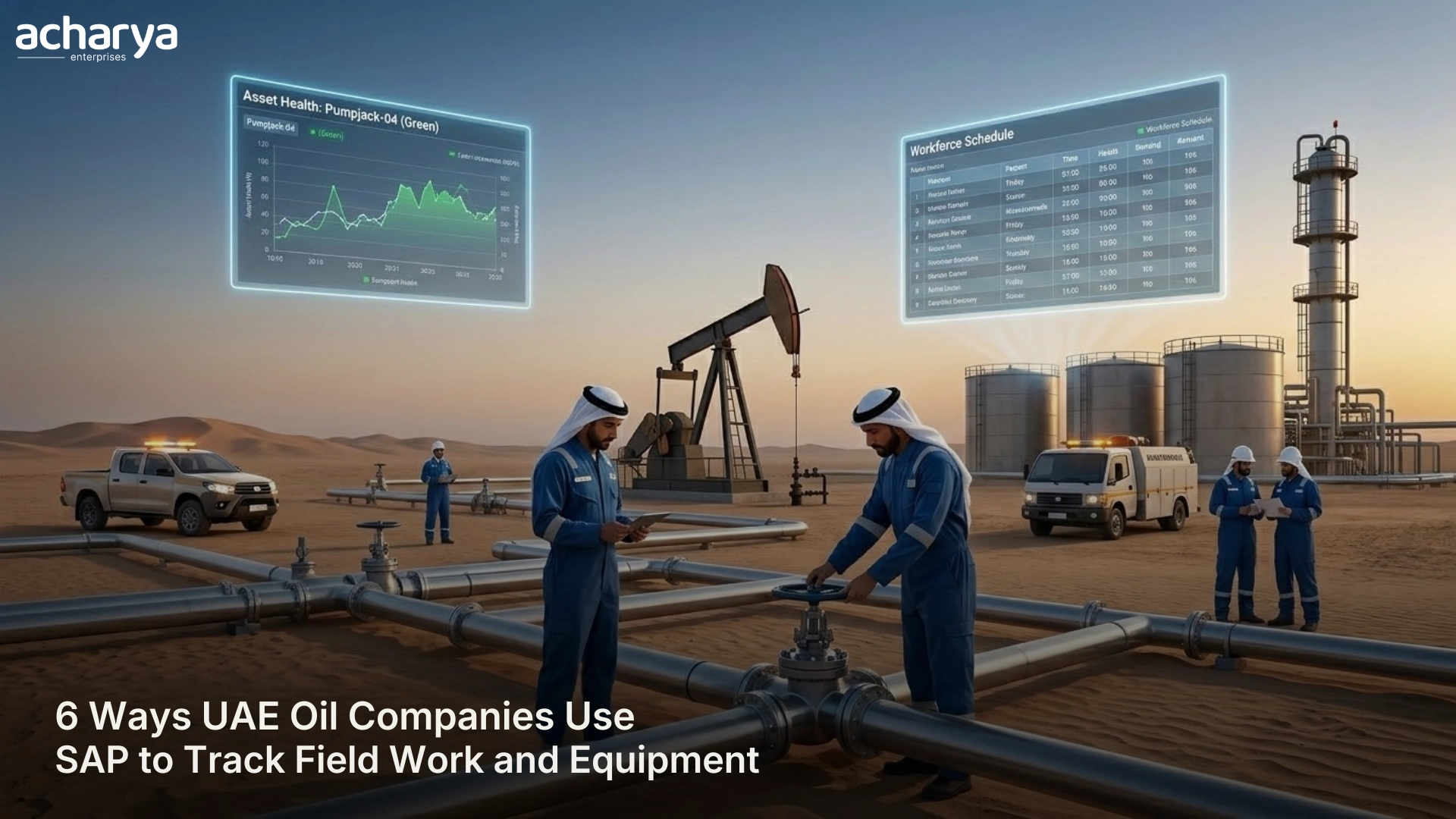
Oil and gas companies in the UAE operate across vast desert sites and offshore rigs. Managing field teams, heavy equipment, and spare parts across these locations is a major challenge. SAP provides a single platform that helps these companies use SAP to track field work and equipment in real time. This visibility directly cuts costs, reduces delays, and keeps production running without interruption.
How Do UAE Oil Companies Use SAP to Track Field Work and Equipment?
UAE oil companies use SAP to track field operations, monitor equipment health, manage maintenance schedules, and connect data from remote sites to headquarters in real time. This approach combines operations and asset tracking into one unified system.
The UAE digital oilfield solutions market is projected to grow from USD 68.81 million in 2024 to USD 100.15 million by 2032, at a compound annual growth rate of 4.80 percent. This growth shows that energy companies in the region are investing heavily in digital tools to improve field visibility.
Major operators like ADNOC have partnered with SAP to run their entire value chain on a single digital platform. By moving away from spreadsheets and manual logs, these companies now get instant updates from the field. Decision makers at headquarters see what is happening on site without waiting for daily reports.
- Combined operations and asset tracking in one system
- Better visibility across remote field teams
- Instant data flow from rig sites to head office
- Real Time Field Work Tracking
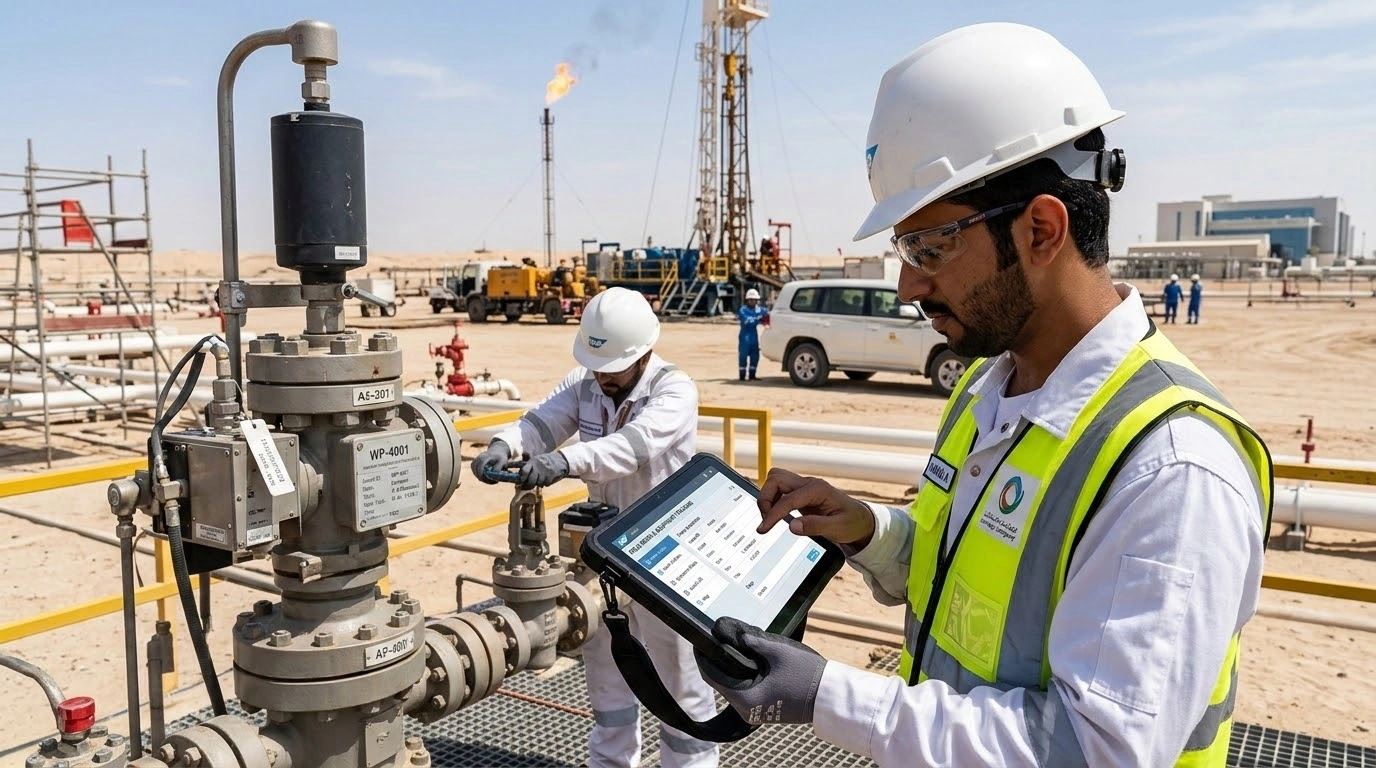
SAP tracks field activities as they happen across multiple well sites, pipelines, and refineries.
Field supervisors log tasks, report progress, and update job status through mobile devices connected to the SAP system. Managers at the head office see these updates immediately without any delay. This setup eliminates the gap between field execution and management oversight.
- Live status updates from every field location
- GPS enabled tracking of field personnel and vehicles
- Centralized dashboard for monitoring all active jobs
- Instant alerts when tasks fall behind schedule
The global field service management market is expected to reach USD 9.17 billion by 2030, up from USD 5.10 billion in 2025. This growth reflects how critical real time tracking has become for asset heavy industries. Oil producers in the UAE that adopted sap s 4hana for their field operations reported faster response times and better coordination between remote sites and central planning teams.
- Equipment Maintenance Management
SAP schedules and tracks maintenance to keep critical equipment running efficiently across all field locations.
Unplanned equipment failure is one of the costliest problems in the oil and gas sector. Research shows that the average oil and gas company faces nearly 27 days of unplanned downtime per year, resulting in losses between USD 38 million and USD 88 million annually. SAP helps companies shift from reactive fixes to preventive and predictive maintenance.
- Automated maintenance schedules based on equipment usage data
- Breakdown tracking with root cause analysis
- Sensor integration for early warning alerts on equipment health
- Reduced downtime through predictive maintenance capabilities
Aker BP, a leading oil and gas producer, improved safety and efficiency by implementing SAP Asset Performance Management with AI powered analytics. This approach allows maintenance teams to address potential issues before they cause production stoppages.
- Asset Lifecycle Management
SAP manages every piece of equipment from the moment of purchase through its entire operational life until disposal.
Oil companies own thousands of high value assets including drilling rigs, compressors, pipelines, and vehicles. Tracking each asset manually across multiple sites leads to errors, lost records, and poor investment decisions. SAP provides a complete record for every asset in one central system.
- Full history of purchases, installations, and relocations
- Performance data for each asset over its lifetime
- Depreciation tracking and cost analysis per equipment unit
- Compliance records for safety inspections and certifications
Organizations using sap erp for asset management gain complete visibility into their equipment portfolio. This helps procurement teams make better decisions about when to repair, upgrade, or replace aging machinery. ADNOC uses SAP to integrate all 14 of its operating units into a single digital platform, giving leadership a clear picture of asset performance across the entire organization.
- Work Order Management for Field Operations
SAP creates, assigns, and manages work orders for every task happening in the field.
When a technician identifies an issue on site, the system generates a work order that routes to the right team based on location, skill set, and priority. Supervisors can track progress from creation to completion without making manual follow up calls.
- Automatic work order creation from field reports and inspections
- Smart task assignment based on crew availability and location
- Real time progress tracking with mobile app updates
- Faster resolution times with digital approval workflows
Companies that rely on SAP S/4HANA cloud for work order management report faster turnaround on field repairs. The system connects maintenance requests directly to spare parts availability, reducing the time technicians spend waiting for materials. With SAP AMS handling ongoing system support, oil companies ensure their work order system runs smoothly with minimal disruptions.
- Inventory and Spare Parts Tracking
SAP tracks spare parts and inventory used in field operations to ensure the right materials reach the right location on time.
Oil companies maintain thousands of spare parts across warehouses and field depots. Running out of a critical component during a repair can halt production for hours or even days. SAP provides end to end visibility into stock levels and automates the replenishment process.
- Live stock level monitoring across all warehouses and field depots
- Automatic reorder triggers when inventory falls below set thresholds
- Direct link between work orders and parts consumption
- Reduced repair delays through better material planning
SAP field logistics for the energy industry enables companies to track every logistics item from the maintenance order through the entire supply and return flow. This level of control is essential when a single missing valve can stop an entire production line.
- Data Integration Across Field, Warehouse, and Finance
SAP connects operational data from the field with inventory systems and financial reporting into one unified platform.
One of the biggest challenges for oil companies is that field operations, warehouse management, and finance departments often work in separate systems. This creates data silos where managers cannot see the full picture. SAP breaks down these barriers by providing a unified view of all business functions.
- Single source of truth for operational, inventory, and financial data
- Accurate cost tracking from field work orders to final financial reports
- Real time budget monitoring against actual field spending
- Better decision making through cross department data visibility
The SAP S/4HANA platform enables real time financial reporting that reflects field activity as it happens. Finance teams no longer wait for end of month reconciliations to understand operational costs. ADNOC has implemented over 200 sustainability and digital programs under its Strategy 2030, using SAP to integrate data across all business units for both operational efficiency and regulatory compliance.
Key Takeaways
- UAE oil companies use SAP to track field work and equipment across vast operational areas in real time
- Real time tracking eliminates delays between field execution and management decisions
- Preventive maintenance through SAP reduces unplanned downtime that costs companies millions annually
- Work order management speeds up task assignment and resolution for field teams
- Integrated data across operations, warehouses, and finance improves overall business visibility